TRAINING (2.5.1)

SwissCollNet is committed to improving the accessibility of natural history collections. A common vision and long-term strategy will promote the use of natural history collections for research, education and society.

Image: OscarLoRo, stock.adobe.com
Load content from Youtube LLC (Google LLC)
Swiss Collections Go Digital

In 2019, the Swiss Academy of Sciences (SCNAT) and a large network of experts from museums, botanical gardens, institutions of higher education and partners have joined forces and established SwissCollNet, the Swiss Natural History Collections Network.

With more than 60 million specimens of animals, plants, fungi, rocks, soil samples and fossils, Switzerland’s museums, universities, and botanical gardens store a remarkable scientific and patrimonial national treasure. However, less than one in five of these objects is digitised. Thanks to SwissCollNet, not only have 1 million more objects been digitised, but their data is now open access for research, education and society!

Objectives

  • Promote modern standards in management and curation of collections
  • Modernise and digitise natural history collections
  • Provide open access to harmonised specimen data of Swiss institutions through an online-portal, the Swiss Natural History Collections (SwissNatColl)
  • Promote and support the scientific potential of collections for research
  • Integrate the Swiss natural history collections into international initiatives

Contact

SCNAT
Swiss natural history collections network (SwissCollNet)
House of Academies
Laupenstrasse 7
3008 Bern
Switzerland


Highlights

Out of the Box - Discover a few examples of treasures brought to light by the digitisation of Swiss natural history collections.

  • Grünliches Breitkölbchen (Platanthera chlorantha).
  • A reconstruction of the landscape in the Pampean region during the Early Pleistocene (about 1 million years ago). The animal on the left in the middle is Neosclerocalyptus.
  • Un aperçu de la diversité des boîtes de la collection d’Epstein
  • Dieses Metoritenstück kam im Rahmen eines Digitalisierungsprojektes im Museum Zofingen (AG) zum Vorschein. Der Steinmeteorit schlug am 3. Februar 1882 in der Nähe des rumänischen Dorfes Mocs ein und wird deshalb wie üblich bei Meteoriten nach diesem benannt.
  • Fil teint avec la pourpre de la Plicopurpura patula, Costa Rica, Ile Cocos (MHNN-35-19475)
  • Publiés en 1880, ces dessins du paléontologue russe Vladimir Kovalevsky représentent des ossements de l’Anthracotherium valdense.
  • In einer Schachtel im Herbarium der Universität Basel lagerten während Jahrzehnten wertvolle Taschenherbarien von Paul und Fritz Sarasin.
  • 3D model with original image from the 3D capturing process of Drosophila synthetica
  • Die gleiche Art? Weibchen (links) und Männchen (rechts) von Kheraiceras bullatus und anderer Ammonitenarten unterscheiden sich morphologisch und bezüglich Grösse stark voneinander.
  • Holotype de l’espèce Rhinella poeppigii (Tschudi, 1845), rapportée par Tschudi de son voyage au Pérou. Crédit photo : MHNN
  • Die Flechten aus den Ostschweizer Museen wurden nach neusten wissenschaftlichen Standards dokumentiert und digitalisiert.
  • Examples of macrophotography showing the diversity of phenotypes (observable traits) among Rubus taxa
  • Präparator Lorenzo Vinciguerra mit der rekonstruierten Höhlenbärin
  • Deciphering and recording specimen labels from photographs.
  • Präparat eines Goldhähnchentyranns im Naturhistorischen Museum Bern. Ihren deutschen Namen bekam die Familie der Tyrannen, weil sie ihr Revier aggressiv verteidigt.
  • La construction de l'autoroute a permis la découverte d'un riche patrimoine paléontologique dans le Jura. Artiste: Lucie Thibaut (@illustratigraphy)
  • Was geschah in diesem Garten in der Gemeinde Wintersingen?
  • Sprays of heimite crystals
  • Herbarbelege werden fotografiert, beschriftet und in einer Datenbank erfasst.
  • Le spécimen d’algue rouge collecté le 2 mars 1803 par E.Hill
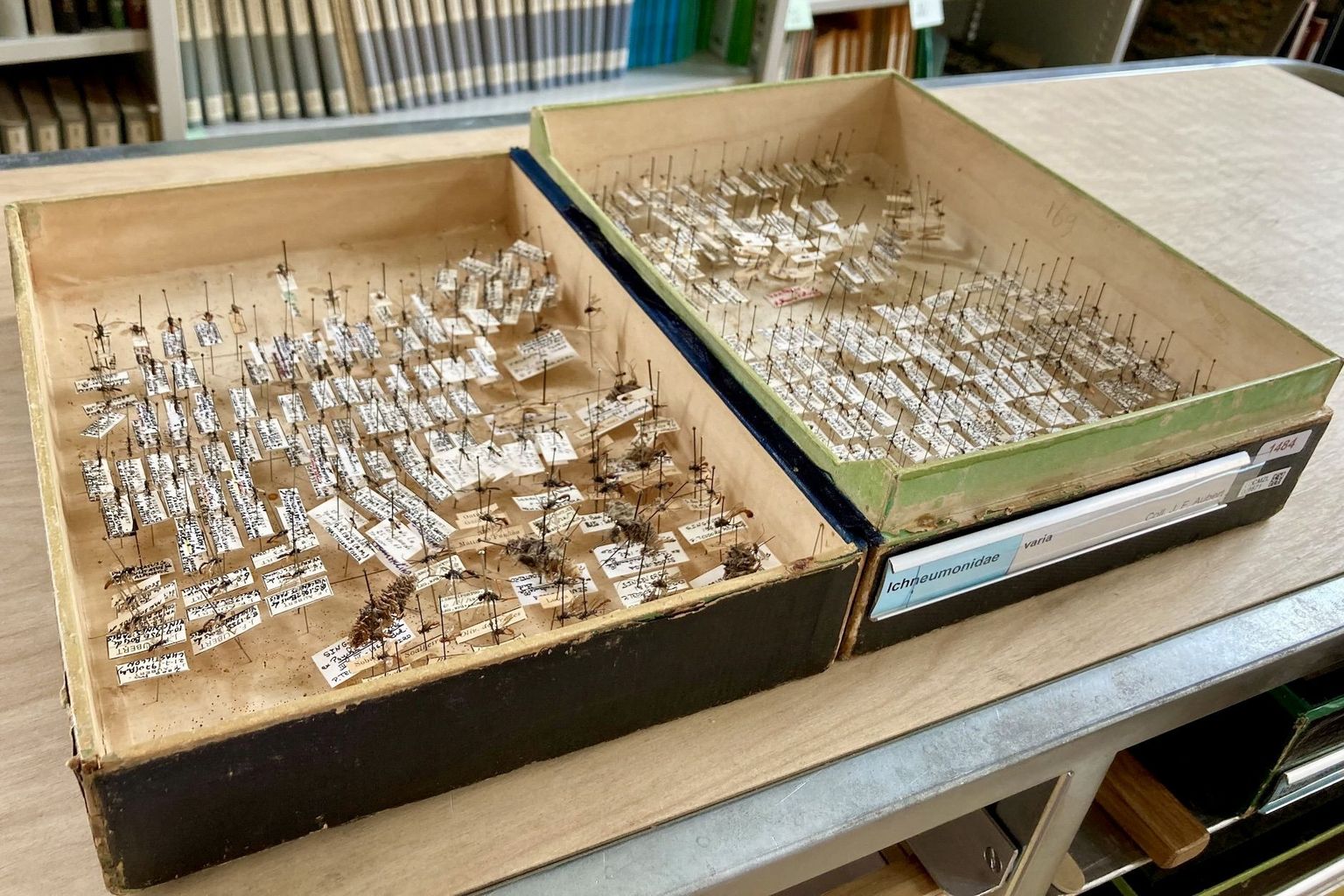
  • In den entomologischen Sammlungen lagern viele noch unbekannte Insektenarten.
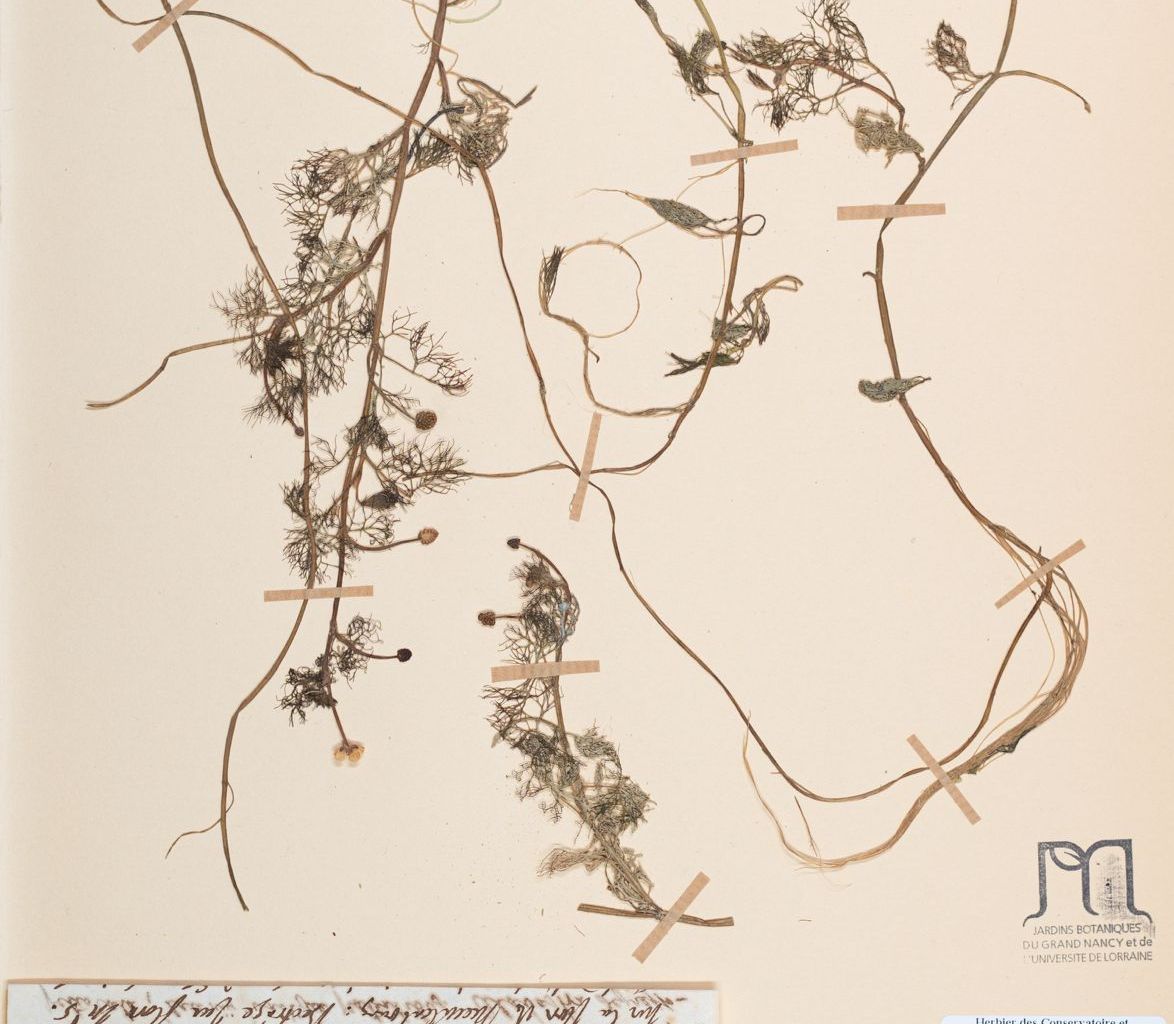
  • Lectotype de Ranunculus rionii Lagger
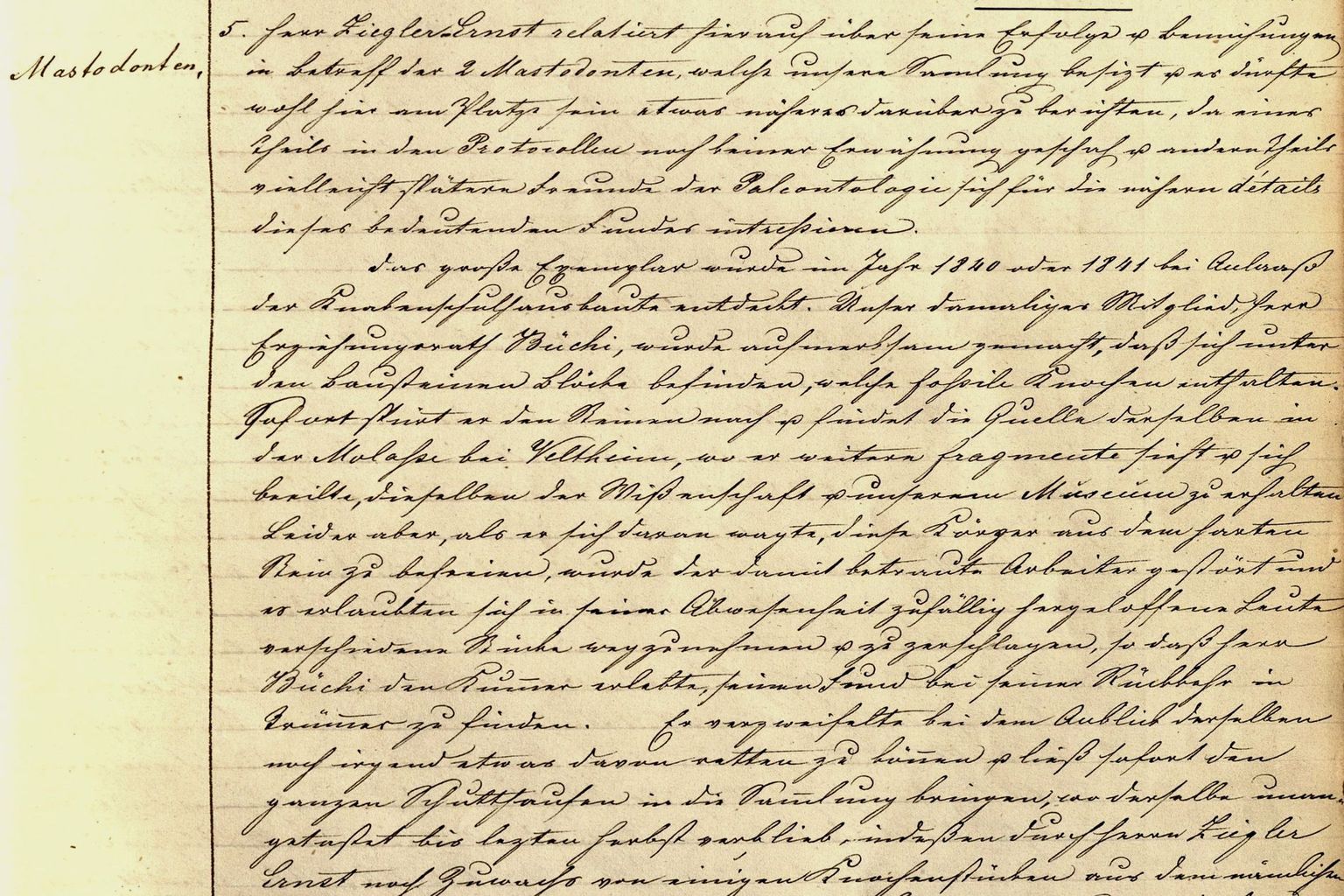
  • Ausschnitt über den Mastodon-Fund im Protokollbuch
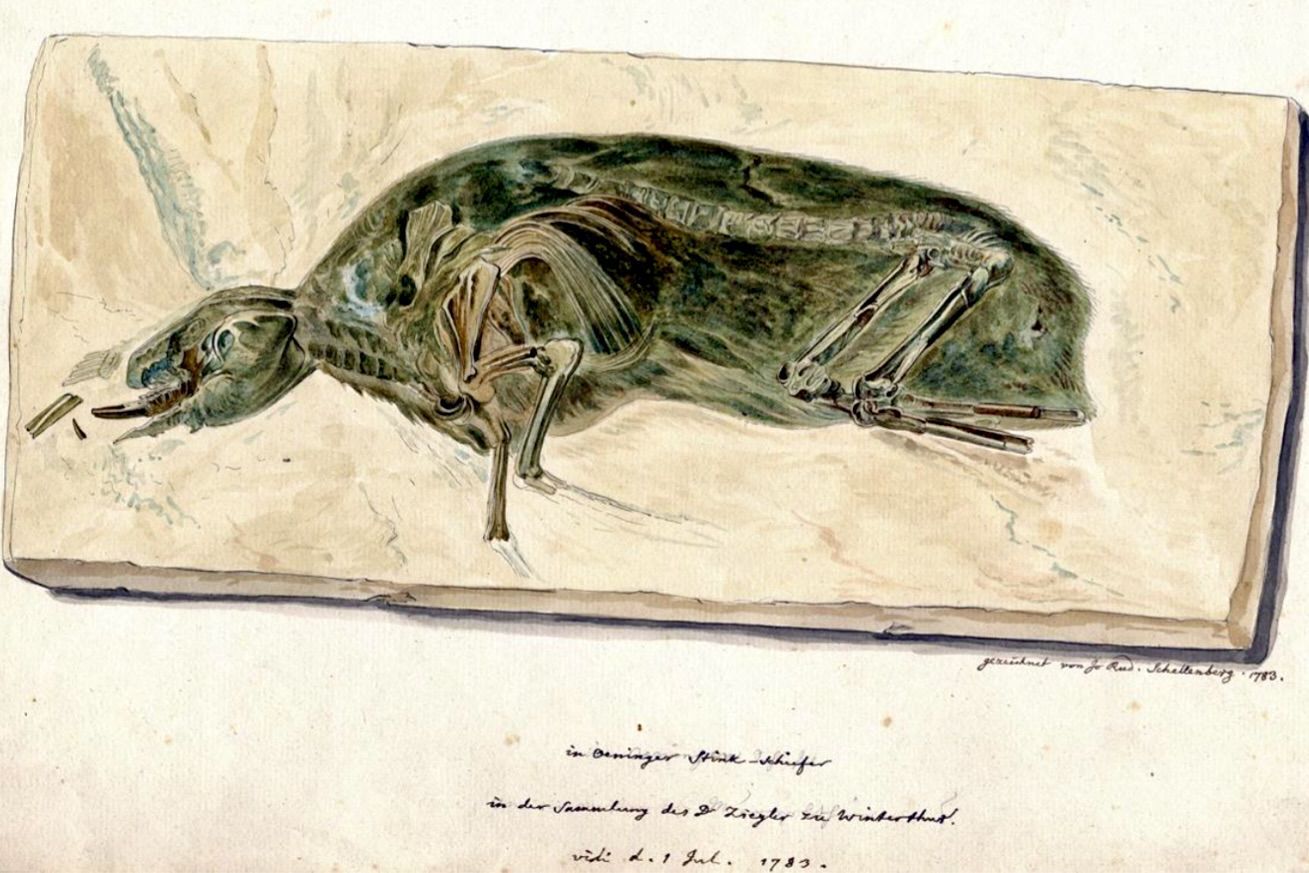
  • Historische Zeichnung eines Pfeifhasen aus der Winterthurer Sammlung
  • Fossiler Ichthyosaurier-Unterkiefer
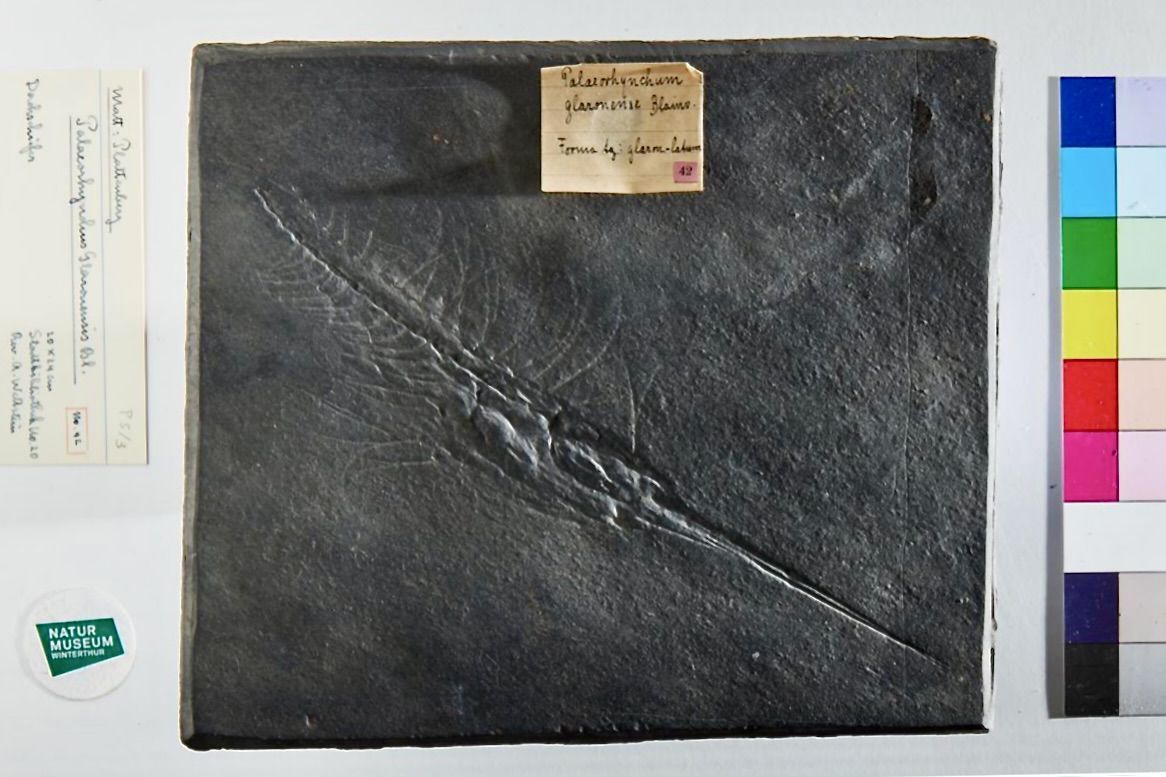
  • Die Deckplatte der fossilen Schnabelmakrele liegt im Naturmuseum Winterthur, das Gegenstück in Zürich.

Stay informed